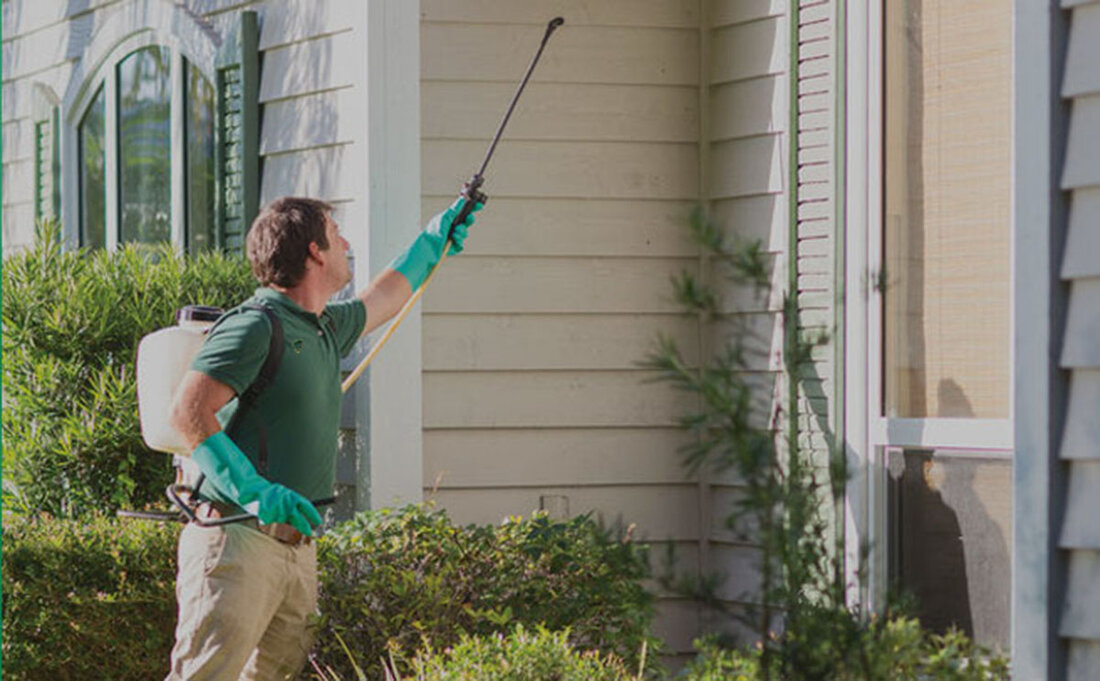
When a termite inspection comes back positive, one of the first things homeowners want to know is what treatment actually looks like. That question doesn’t have a single answer because termite treatment isn’t one thing. It’s a category that includes several distinct methods, each developed for a specific type of infestation, a specific termite species, and a specific structural situation.
Choosing the wrong method, or agreeing to one without understanding what it can and can’t do, is one of the most common and costly mistakes homeowners make after a termite diagnosis. A spot treatment applied to a widespread infestation won’t resolve the problem. Fumigation scheduled for a localized infestation that could have been addressed with targeted injection is an unnecessary expense and disruption.
This guide breaks down each of the three primary termite treatment methods used in Southern California, what they actually do, when they’re the right choice, and what the experience looks like for the homeowner from start to finish.

In Southern California, the termite treatment landscape is shaped by two dominant species: drywood termites and subterranean termites. Each requires a fundamentally different approach because each lives in a different environment and enters homes through different pathways. The three methods below, spot treatment, soil barrier, and fumigation, map onto these species and infestation characteristics in specific ways.
Spot treatment is a targeted, minimally invasive method designed for drywood termite colonies that are confined to a specific, accessible section of wood. The technician identifies the location of the active gallery through visual inspection, probing, and sometimes acoustic testing. Small holes, typically a quarter inch or less in diameter, are drilled into the infested wood at strategic intervals. Termiticide is then injected directly into the gallery system through these access points, reaching the colony where it lives. Once the injection is complete, the holes are sealed with a color-matched wood filler.
The chemistry used in spot treatment varies by product but typically works either through direct contact toxicity, which kills termites that come into contact with the treated wood, or through a non-repellent transfer mechanism, which allows the termiticide to spread through the colony as workers groom each other and share food.
Spot treatment is the best option when the infestation is genuinely localized. A single window frame, a section of attic rafter, a patch of wall framing behind a baseboard, situations where the inspection has confirmed that the colony hasn’t spread beyond a defined, accessible area are good candidates. It’s the least disruptive treatment option, requires no relocation, and can often be completed in a single visit of a few hours.
Spot treatment only works on what it reaches. If the drywood termite colony has spread through multiple sections of the structure, some of which may not be visible or accessible without opening walls, spot treatment won’t resolve the full infestation. It addresses the galleries it’s injected into, not the galleries that haven’t been found yet. This is why an honest, thorough inspection is the essential prerequisite for recommending spot treatment as an appropriate solution.
A common mistake is applying spot treatment to visible frass accumulation points without confirming that the colony hasn’t already spread. The frass you can see tells you where the termites have been pushing waste out. It doesn’t tell you how far the gallery system extends behind the surface.

Soil barrier treatment is the standard method for subterranean termite infestations. Unlike drywood termites, subterranean termites live underground and travel to the wood above through mud tubes or direct soil-to-wood contact. Treating them effectively means targeting the colony in the soil, not just the wood they’re feeding on.
The technician trenches along the exterior foundation perimeter, applies a liquid termiticide to the soil at the correct depth and concentration, and backfills the trench. Where the foundation includes concrete flatwork, patios, or slabs, the technician drills through the concrete at intervals, injects the termiticide into the soil below, and patches the drill holes. Interior foundation walls and areas beneath attached structures may also require treatment depending on where activity has been found.
The termiticide creates a continuous treated zone in the soil surrounding the foundation. Subterranean termites that pass through this zone are exposed to the product and carry it back to the colony through contact with other workers, eventually collapsing the colony population over a period of weeks to months.
Soil barrier treatment is appropriate for any confirmed subterranean termite infestation. It’s also used preventively in high-risk properties where conditions are favorable for subterranean activity but an active infestation hasn’t been confirmed yet. Because it creates a perimeter barrier rather than targeting one specific area, it provides broad protection along the entire treated foundation and remains effective in the soil for several years after application.
Soil barrier treatment addresses subterranean termites specifically. It has no effect on drywood termite colonies living entirely within the wood above. If both species are present, which isn’t uncommon in Southern California homes, a soil barrier needs to be combined with a separate treatment for the drywood infestation. This is one of the reasons a complete inspection that identifies both species is so important before any treatment begins.
Fumigation is the most comprehensive termite treatment available and the only method that guarantees complete eradication of every drywood termite colony in the structure simultaneously. The entire home is sealed under a tent, a gas fumigant is introduced at a concentration calculated based on the home’s volume and temperature, and the gas is maintained for a set period, typically 24 to 72 hours, to ensure it penetrates all wood throughout the structure including areas that are inaccessible to any other treatment method. Learn more about what the fumigation process involves on our termite fumigation service page.
After the treatment period, the tent is opened, the home is ventilated, and the technician tests the interior air quality before clearing anyone for re-entry. The gas leaves no residue in the home after aeration is complete.
Fumigation is the right method when a drywood termite infestation has spread beyond what spot treatment can address. Multiple frass accumulation points in different areas of the home, colonies found in areas that can’t be opened or accessed for injection, a previous spot treatment that didn’t fully resolve the infestation, or an older home with a history of drywood activity in multiple sections are all situations where fumigation is the appropriate recommendation.
It’s also the method of choice for real estate transactions where a WDO report requires complete clearance of active drywood infestation before a sale can close. Fumigation provides the comprehensive, documented treatment result that lenders and escrow companies require.
Fumigation requires homeowners to vacate for two to three nights minimum, sometimes four depending on home size and weather. It also requires preparation, including removing or bagging food, medications, and consumables, and arranging temporary accommodation for all people and pets. The disruption is significant compared to the other methods, which is why it’s reserved for situations where it’s genuinely the right tool rather than used as a default.
Fumigation also doesn’t provide residual protection against future infestation. It eliminates every colony present at the time of treatment but leaves no ongoing barrier in the soil or wood. A follow-up prevention plan, whether that’s a termite bond or scheduled inspections, is typically recommended after fumigation to protect the home going forward.
The inspection drives the recommendation. No ethical termite company recommends a treatment method before completing a thorough inspection, because the right method depends entirely on what species is present, where the infestation is located, how far it has spread, and what structural conditions make certain approaches practical or impractical.
At MEC, our complete termite control service starts with a full inspection before any treatment recommendation is made. We cover the foundation, crawl space, attic, all accessible wall cavities, and the exterior perimeter. If multiple species are present, we explain what that means for the treatment plan and why a combined approach may be necessary. If a spot treatment is genuinely sufficient, we won’t recommend fumigation. If the infestation has spread too far for spot treatment to work, we’ll tell you that clearly rather than applying a partial solution that leaves the problem unresolved.
Whichever method is used, treatment eliminates the termites and stops further feeding. It doesn’t reverse the structural damage that’s already occurred. Wood that has been hollowed out or compromised by an active colony needs to be professionally assessed and repaired after treatment is complete.
MEC provides termite damage remodeling and structural restoration as part of our full-service offering. Rather than leaving you to coordinate with a separate contractor after the pest work is done, we handle the complete process from treatment through wood replacement, drywall repair, texture matching, and finish painting. One company, one timeline, one result.
If you’ve had a termite inspection recently and want a second opinion, or if you haven’t had one and you’re not sure where your home stands, MEC offers free termite inspections for Garden Grove and Orange County homeowners. We’ll give you a clear diagnosis, an honest treatment recommendation that matches what we actually find, and transparent pricing before any work begins.Call us at 714-951-4015 or contact us online to schedule. We’ve been doing this in Garden Grove for over 27 years and we’ll give you a straight answer about what your home needs.