
Subterranean termites are the most destructive termite species in the United States. Unlike drywood termites, which live inside wood, subterranean termites nest in the soil and tunnel through the ground to reach the wood in your home. A single colony can contain thousands of termites and cause severe structural damage if left untreated.
At MEC Termite & Pest Control, we’ve been protecting Garden Grove homes and businesses from subterranean termite infestations for over 27 years. We specialise in soil barrier treatments — the industry-standard solution that creates a chemical perimeter around your foundation, blocking termite access and eliminating colonies that make contact with the treated zone.
Subterranean termites are wood-eating insects that live in the soil. They’re smaller than drywood termites and they work differently — instead of nesting inside wood, they create tunnels through the ground and travel between the soil and timber to feed. This makes them harder to spot, but it also makes them highly vulnerable to soil barrier treatments.
Key facts about subterranean termites:
Because subterranean termites depend on soil contact to access structures, soil barrier treatments are highly effective at stopping them before they reach your home.
Subterranean termites are more visible than drywood termites because of the mud tubes they build. Watch for these telltale signs:
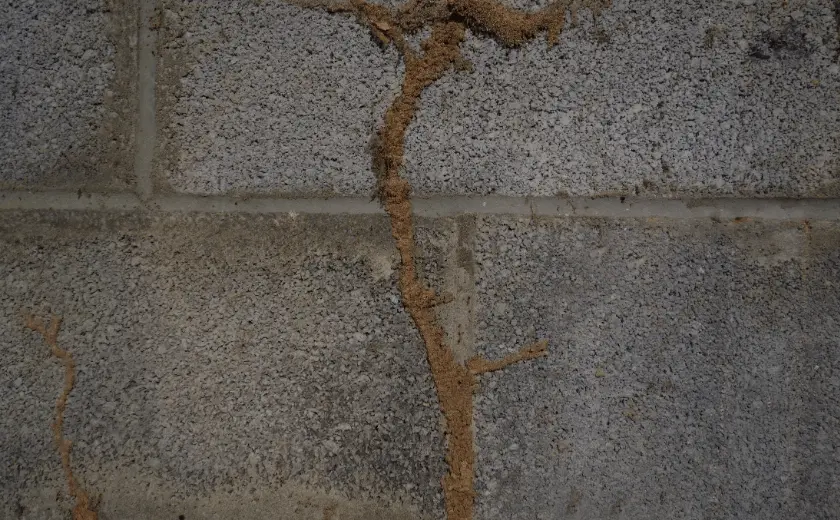
The most obvious sign of subterranean activity. These are small tunnels made of soil and termite saliva, typically found on foundation walls, pier blocks, or crawl space joists. Termites build them to travel safely from the soil to wood sources without drying out.
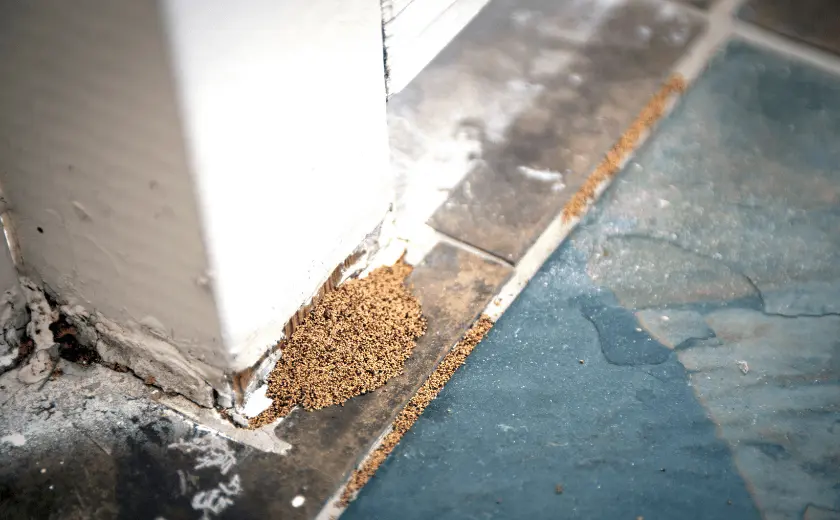
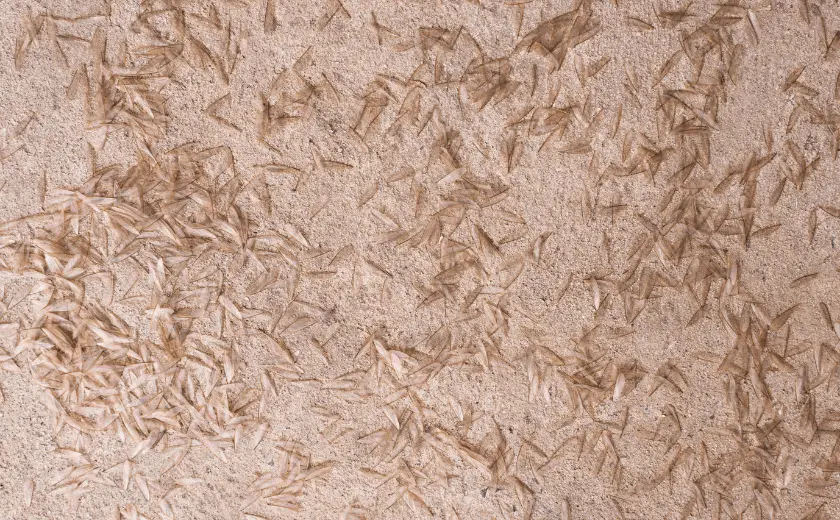
Subterranean termites swarm in spring and early summer. Swarmers are winged termites that leave the nest to find new places to establish colonies. If you see winged insects around your foundation or near lights on warm spring evenings, it’s worth investigating.
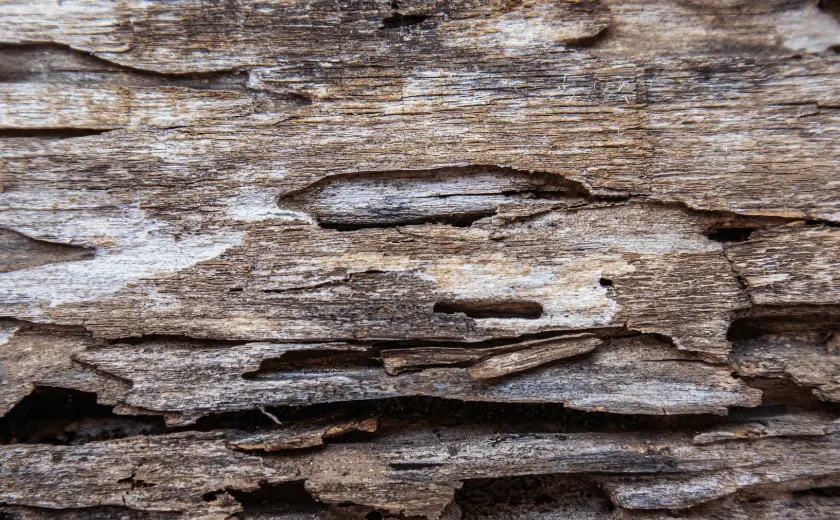
Soft spots in wood, sagging floors, or buckling wood are signs of termite damage. Subterranean termites eat wood from the inside out, leaving behind a hollow shell.
If you have wood siding, deck posts, landscape timbers, or other wood elements in direct contact with the soil, you’re creating an ideal entry point for subterranean termites. This isn’t a sign of infestation itself, but it’s a vulnerability worth addressing.
If you notice any of these signs, call us at 714-951-4015 or schedule a free termite inspection immediately.
A soil barrier is the most effective long-term protection against subterranean termites. We create a chemical perimeter around your home’s foundation that blocks termite tunnels and eliminates colonies that attempt to cross it.
A soil barrier is the most effective long-term protection against subterranean termites. We create a chemical perimeter around your home’s foundation that blocks termite tunnels and eliminates colonies that attempt to cross it.
Subterranean termites depend on soil contact. By treating the soil around your foundation, we’re essentially closing off their primary access route — a strategy that other termite species don’t require.
If subterranean termites have already caused structural damage, we can repair it using our full termite damage repair and restoration services.
We provide professional subterranean termite treatment and soil barrier installation throughout Garden Grove and the surrounding North Orange County communities.
Call 714-951-4015 or use the form below to schedule your free subterranean termite inspection and estimate. We’ll assess your property and explain your treatment options in detail.
Subterranean termites nest in the soil and tunnel to wood. Drywood termites live inside wood and don't require soil contact. Subterranean termites are more common in Southern California and are highly vulnerable to soil barrier treatments because of their dependence on the ground.
Look for mud tubes on foundation walls, crawl space joists, or pier blocks. Other signs include swarmers (winged termites) in spring, soft or damaged wood, and sagging floors. If you notice any of these, schedule a free professional inspection immediately.
Cost varies based on the size of your foundation perimeter, the extent of any existing activity, and whether additional treatments (like crawl space treatment) are needed. We provide transparent written quotes before any work begins. Call 714-951-4015 for a free estimate.
A properly installed soil barrier remains effective for many years. We recommend annual inspections to monitor its integrity. Maintenance treatments may be needed every 3–5 years depending on soil conditions and local termite pressure.
No. Soil barrier treatment is an exterior service that doesn't require you to leave your home. You can remain inside during the entire process, though we ask that you stay away from the work area while treatment is underway.
Keep wood away from soil (no wood siding directly on ground, no mulch against the house), fix moisture issues around your foundation, maintain your gutter system to keep water away from the base of your home, and have annual professional inspections. A soil barrier provides long-term protection against active infestations.